The Engineering Behind Custom Process Hoppers for Heavy-Duty Applications
Understanding Custom Process Hoppers
What Are Custom Process Hoppers?
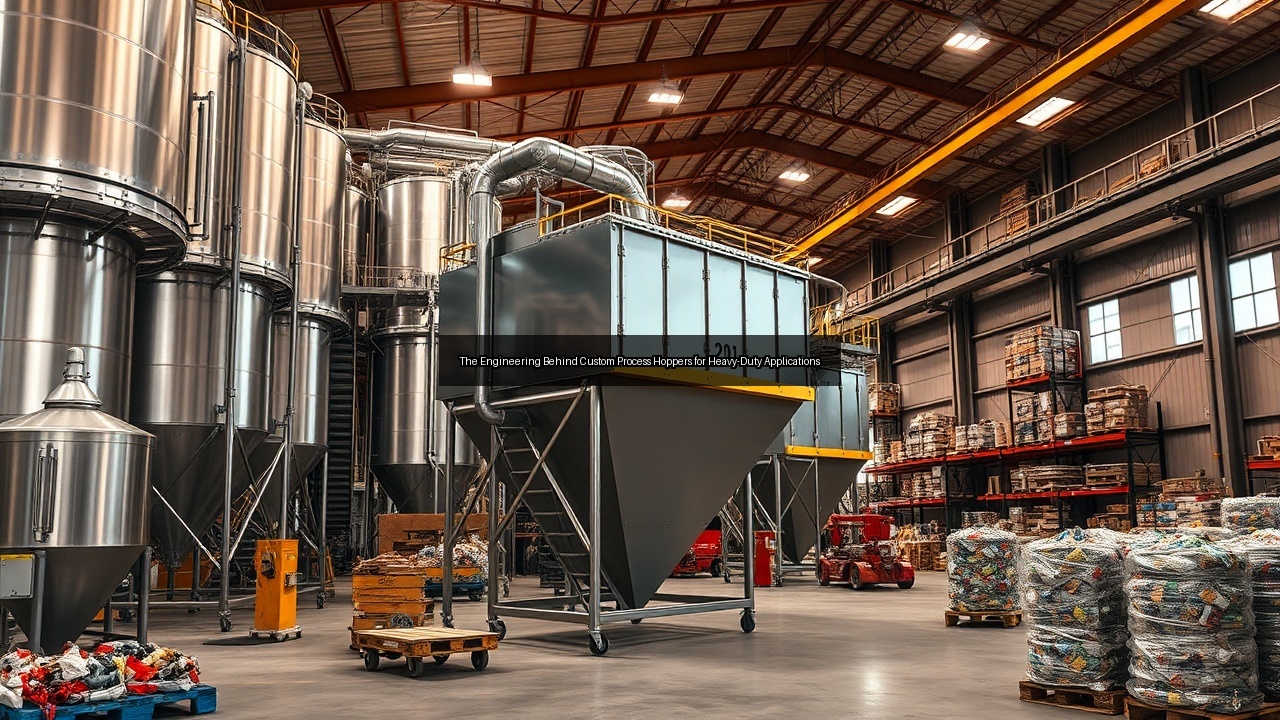
Custom process hoppers serve as essential components in various industrial applications, specifically designed to facilitate the handling, storage, and transportation of bulk materials. These hoppers come in various shapes and sizes, tailored to meet the specific requirements of the processes they support. Their design often incorporates features like cone shapes that enhance the flow of materials while minimizing blockages. Customization allows companies to address unique challenges, such as the type of material being handled—whether it’s recyclables, concrete, or scrap—ensuring that each hopper functions optimally within its environment. Understanding the intricacies of custom process hoppers can significantly improve efficiency and productivity in operations.
Benefits of Custom Design for Heavy-Duty Applications
The benefits of custom designing process hoppers for heavy-duty applications are manifold. First and foremost, tailored designs maximize efficiency by accommodating the specific characteristics of the materials involved. For instance, a custom hopper designed for concrete will differ significantly from one intended for lighter materials like plastics. Additionally, custom hoppers can include features such as integrated gates that enable precise control over material flow, which directly impacts productivity. Enhanced durability is another critical advantage; custom hoppers can be built using materials like stainless steel or heavy-duty sheet metal, ensuring they withstand the rigors of demanding environments. This approach not only increases the lifespan of the equipment but also reduces maintenance costs over time.
Key Materials Used in Fabrication
The choice of materials for fabricating custom process hoppers plays a vital role in their performance and longevity. Stainless steel stands out as a premier option due to its resistance to corrosion and ability to handle high-stress environments. It is particularly suitable for hoppers dealing with wet or harsh materials, ensuring longevity and reliability. On the other hand, sheet metal offers a cost-effective alternative that still provides adequate durability for less demanding applications. The fabrication process often involves techniques such as welding and bending, allowing manufacturers to create complex shapes and dimensions that cater to specific operational requirements. Understanding the materials involved aids companies in making informed decisions during the design phase, leading to enhanced operational efficiency.
Design Considerations for Heavy-Duty Applications
Dimensions and Geometry: The Role of Cone Shapes
When designing custom process hoppers, dimensions and geometry play a critical role in ensuring optimal functionality. Cone shapes are particularly effective for facilitating the flow of bulk materials, as they promote gravity-assisted movement and reduce the likelihood of clumping or clogging. The angle of the cone must be selected carefully, as it directly influences how materials discharge from the hopper. For example, steeper angles may be necessary for fine powders, while wider angles work better for larger aggregates. Additionally, the dimensions of the hopper must align with the specific requirements of the associated conveyor systems and warehousing solutions to ensure seamless integration and workflow. An effective design maximizes space utilization while providing easy access for maintenance and material loading.
Material Selection: Stainless Steel vs. Sheet Metal
Choosing between stainless steel and sheet metal for custom process hoppers depends on various factors, including the type of material being handled and the operational environment. Stainless steel offers exceptional durability, corrosion resistance, and hygiene, making it ideal for applications involving recyclables or food-grade materials. Its strength ensures that heavy-duty applications, such as those involving concrete or metal scrap, can be managed without compromising safety or performance. Conversely, sheet metal can serve as a viable solution for less demanding applications, where budget constraints might dictate material choices. Ultimately, selecting the right material is crucial for enhancing the efficiency, safety, and longevity of custom hoppers.
Integration with Conveyor Systems and Warehousing Solutions
Effective integration of custom process hoppers with conveyor systems and warehousing solutions is essential for maintaining operational efficiency. Hoppers often serve as feeding points that channel bulk materials into conveyor systems, which then transport these materials to their next destination. Custom designs can include features that facilitate this integration, such as adjustable height and outlet configurations. Additionally, companies can incorporate pallet racks and guardrails to enhance safety and optimize workflow. An efficient design minimizes interruptions, ensuring a smooth transition of materials. By considering how the hopper interacts with the entire system, companies can achieve greater productivity and reduce the risk of material spillage or accidents.
Applications of Custom Process Hoppers
Utilizing Hoppers in Recycling Operations
Custom process hoppers play a pivotal role in recycling operations, where they facilitate the efficient handling of various recyclables. These hoppers can be designed to accommodate diverse materials, such as plastics, metals, and paper, each requiring specific handling characteristics. The ability to customize hoppers ensures that they can effectively manage the sorting and transportation of recyclables while minimizing contamination risks. For example, a hopper designed for plastic bottles may feature a specific geometry and gate mechanism to optimize flow and reduce jams. Implementing custom hoppers within recycling facilities enhances operational efficiency, allowing for higher throughput and improved recycling rates.
Hoppers for Bulk Material Handling
In the realm of bulk material handling, custom process hoppers are indispensable. They streamline the storage and transportation of large quantities of materials, such as aggregates, grains, or chemicals. The design of these hoppers often incorporates features that facilitate efficient loading and unloading processes, such as wide openings and specialized gates. Additionally, custom hoppers can be engineered to include vibratory mechanisms that assist in material flow, reducing the risk of blockages. Utilizing custom hoppers in bulk material handling not only improves productivity but also enhances safety by minimizing manual handling and the potential for accidents.
Innovative Solutions for Scrap and Concrete Management
Custom process hoppers offer innovative solutions for managing scrap and concrete efficiently. In scrap metal operations, hoppers designed for heavy-duty applications can withstand the weight and abrasiveness of metals, ensuring effective processing and storage. These hoppers can include features like reinforced structures and specialized gates to handle large volumes of scrap with ease. For concrete management, custom hoppers are engineered to facilitate the rapid transfer of wet or dry concrete, minimizing waste and improving workflow. By employing these tailored solutions, companies can enhance their operational capabilities, reduce downtime, and maintain high standards of quality and safety in their processes.
Enhancing Productivity and Safety
The Importance of Guardrails and Casters
Incorporating guardrails and casters into the design of custom process hoppers significantly enhances both productivity and safety. Guardrails provide a critical safety feature, preventing falls and accidents during the loading and unloading of materials. This is particularly important in environments where heavy-duty operations take place, reducing the risk of injury to workers. Casters allow for mobility, enabling easy repositioning of hoppers as needed within a facility. This flexibility can contribute to more efficient workflows, as operators can quickly adapt to changing material handling needs. By prioritizing safety and mobility, companies foster a more productive work environment, ultimately benefiting their bottom line.
Optimizing Workflow with Custom Gates and Pallet Racks
Custom gates and pallet racks are integral to optimizing workflow in environments that utilize process hoppers. The design of these components can greatly influence material flow, reducing bottlenecks and enhancing efficiency. Custom gates can be engineered to provide precise control over the discharge of materials, allowing operators to manage flow rates effectively. Pallet racks can be designed to complement the hopper setup, facilitating organized storage of materials and improving accessibility. By integrating these features, companies create a streamlined process that minimizes wasted time and resources, ultimately leading to increased productivity and a more effective material handling system.
Maintaining Efficiency in Heavy-Duty Manufacturing
Maintaining efficiency in heavy-duty manufacturing heavily relies on the seamless operation of custom process hoppers. Regular maintenance checks ensure that hoppers and their components, such as gates and casters, function optimally. Implementing a proactive maintenance strategy minimizes downtime and extends the lifespan of equipment. Additionally, training operators on best practices for using custom hoppers can lead to better handling techniques, reducing material waste and improving overall efficiency. By focusing on these aspects, companies can create a robust manufacturing environment that meets both productivity goals and safety standards, positioning themselves for success in a competitive market.
See Also
- Building a Better Hopper: Fabrication Techniques for Custom Solutions
- How to Choose the Right Dimensions for Your Custom Process Hopper
- How to Integrate Custom Process Hoppers into Your Supply Chain
- Innovative Designs for Custom Process Hoppers in the Concrete Industry
- Designing Custom Process Hoppers with Flexibility in Mind