From Juice Concentrates to Custom Blends Crafting Unique Beverage Experiences
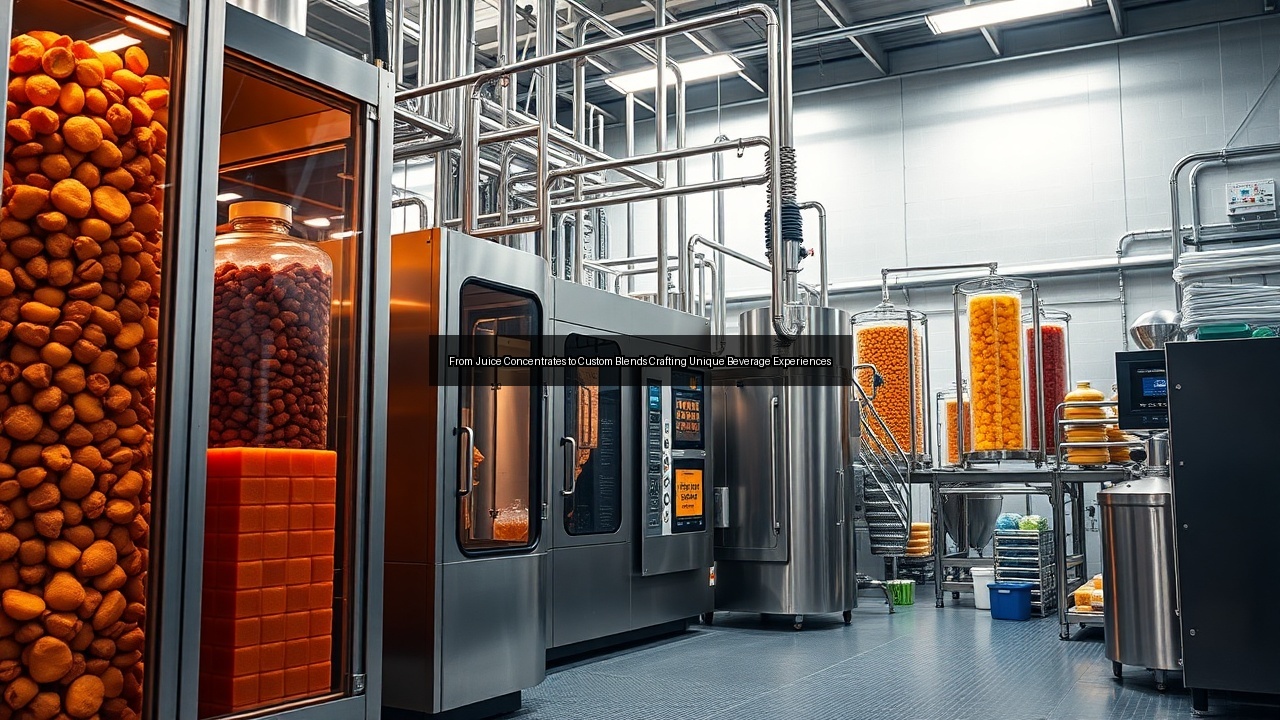
The Evolution of Beverage Crafting: From Juice Concentrates to Custom Blends
Historical Overview of Juice Concentrates
Juice concentrates emerged in the early 20th century as manufacturers sought efficient ways to preserve fruit flavors for widespread distribution. Processors extracted water from fresh juices through evaporation, creating stable products that traveled easily without refrigeration. This approach reduced costs in the food and beverage sector while maintaining core taste profiles. Over decades, refinements in concentration techniques allowed producers to deliver consistent quality across batches. Today, these foundations support advanced custom blending solutions that transform basic concentrates into tailored beverages. Companies leverage historical methods to build innovative blends that meet modern demands for variety and freshness. The shift from simple preservation to creative formulation marks a key step in beverage manufacturing history.
The Rise of Custom Blending Solutions
Custom blending solutions gained traction as consumers demanded personalized flavors beyond standard offerings. Manufacturers moved from fixed recipes to flexible approaches that combine juice concentrates with other components for unique results. This evolution enables precise control over taste, color, and texture in every batch. Blending solutions now address specific market needs, such as low-sugar options or exotic fruit combinations. Producers use custom blending services to create signature products that stand out on shelves. The demand for custom blends drives investment in equipment that handles small and large runs efficiently. Solutions for blending continue to expand options for brands seeking differentiation in a competitive landscape.
Innovation in Beverage Manufacturing
Innovation in beverage manufacturing centers on integrating advanced equipment and techniques into production lines. Facilities now combine traditional juice concentrates with novel ingredients through automated systems that ensure uniformity. This progress supports the creation of custom blends that incorporate functional elements like vitamins or botanicals. Manufacturers adopt real-time monitoring to adjust formulations on the fly, reducing waste and improving output. Such advancements allow seamless scaling from pilot batches to full commercial runs. The focus remains on delivering beverages that align with emerging trends while maintaining quality standards. Continuous improvement in processes keeps the industry responsive to shifting preferences.
Understanding Custom Blending Solutions in the Food and Beverage Industry
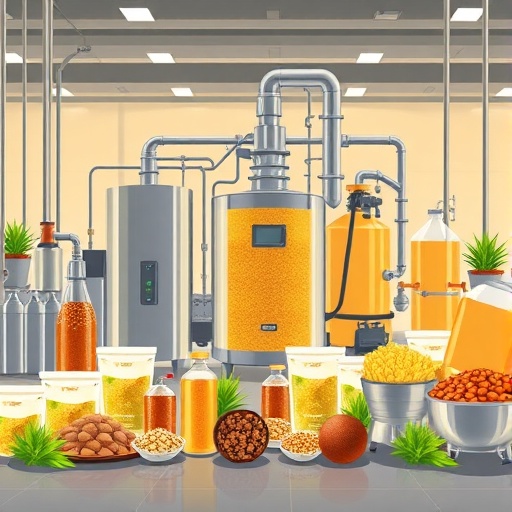
Key Ingredients for Custom Blends
Key ingredients for custom blends include concentrated bases, natural extracts, and stabilizers that enhance stability and appeal. Food ingredient suppliers provide options like fruit purees, sweeteners, and acids that form the foundation of successful recipes. Producers select these components carefully to achieve desired viscosity and shelf life in finished beverages. Custom blending solutions rely on precise ratios to balance flavor intensity without overpowering notes. Food ingredients such as emulsifiers play a vital role in maintaining texture during storage. Sourcing high-quality inputs ensures that blends meet both sensory and nutritional targets. Thorough evaluation of each element prevents issues in final production stages.
The Role of Food Ingredients in Flavor Profiles
Food ingredients shape flavor profiles by contributing layers of taste, aroma, and mouthfeel to every beverage. Experts combine juice concentrates with acids, sugars, and essences to craft balanced results that appeal to specific audiences. Custom blending solutions allow fine-tuning of these elements for subtle or bold outcomes. Food ingredients like natural colors and preservatives extend visual appeal and longevity. Manufacturers test combinations extensively to replicate complex profiles consistently across batches. This science of flavor construction supports the development of premium products that command attention. Effective use of ingredients elevates ordinary drinks into memorable experiences.
Exploring Batch Production Techniques
Batch production techniques enable manufacturers to create controlled volumes of custom blends with high consistency. Operators mix ingredients in dedicated vessels, monitoring temperature and agitation to preserve delicate flavors from juice concentrates. This method suits both small test runs and larger orders under custom blending solutions. Batch production minimizes cross-contamination risks while allowing quick recipe adjustments. Advanced systems track every variable to maintain quality from start to finish. Producers favor this approach for its flexibility in handling diverse formulations. Reliable techniques ensure that each batch meets exact specifications before moving to packaging.
Packaging Considerations for Custom Beverages
Primary vs. Secondary Packaging: What You Need to Know
Primary packaging directly contacts the beverage and protects it from contamination or spoilage. Materials such as bottles or pouches maintain integrity while preserving taste from custom blends. Secondary packaging provides outer layers like cartons or shrink wrap that aid handling and branding. Custom blending solutions often require coordinated choices between these layers to optimize logistics. Primary packaging must withstand filling processes without leaching substances. Secondary options enhance shelf presence and transport efficiency. Understanding both types helps manufacturers select systems that reduce damage and support efficient distribution.
The Importance of Flexible Packaging in Beverage Solutions
Flexible packaging offers lightweight, adaptable formats that suit modern custom blending companies blending solutions. Pouches and stand-up bags reduce material use compared to rigid containers while extending product freshness. Manufacturers apply these options to juices and blends that demand barrier protection against light and oxygen. Flexible packaging supports easy customization through printing for brand-specific designs. Its durability during shipping cuts costs and waste in the food and beverage supply chain. Producers value the versatility for both single-serve and multi-unit formats. This packaging type aligns well with efficient production and consumer convenience goals.
GFSI Compliance in Beverage Packaging
GFSI compliance establishes recognized benchmarks for food safety across packaging operations. Facilities handling custom blends implement controls to prevent hazards during filling and sealing. Standards cover hygiene, traceability, and material testing to protect consumers. Beverage manufacturers integrate GFSI protocols into daily routines to maintain certification. Compliance supports global trade by demonstrating consistent quality practices. Companies that prioritize these measures reduce recall risks and build trust with partners. Ongoing audits ensure that packaging processes meet evolving requirements in the industry.
Navigating Regulatory Standards for Custom Blends
USDA Regulations and Their Impact on Beverage Production
USDA regulations guide the use of agricultural inputs in beverage production, particularly for organic or natural claims. Producers of custom blending solutions must verify that juice concentrates and other components meet labeling standards. These rules influence sourcing decisions and formulation adjustments to avoid violations. Compliance affects everything from ingredient lists to processing methods in manufacturing facilities. Manufacturers document supply chains thoroughly to support claims on finished products. Adherence opens markets that value verified quality and origin. Staying current with updates prevents disruptions in production schedules.
Ensuring Quality and Safety in Custom Blending
Ensuring quality and safety in custom blending requires rigorous testing at every stage. Operators analyze raw materials and finished blends for contaminants before release. Custom blending solutions incorporate hazard analysis to identify potential risks early. Regular equipment sanitation and employee training maintain high standards throughout manufacturing. Safety protocols extend to allergen management and accurate nutritional declarations. Producers use validated methods to confirm that each batch meets internal and external criteria. This disciplined approach protects brand reputation and consumer well-being.
The Science Behind Beverage Formulation
The science behind beverage formulation involves chemistry and sensory evaluation to create stable, appealing products. Formulators balance pH, sweetness, and viscosity when working with juice concentrates and additional food ingredients. Custom blending solutions draw on data from trials that measure flavor retention over time. Advanced tools predict interactions between components to accelerate development. This scientific foundation supports reproducible results across different production scales. Experts refine recipes based on feedback and analytical results. Effective formulation drives innovation while meeting performance expectations.
Future Trends in Custom Blending Solutions
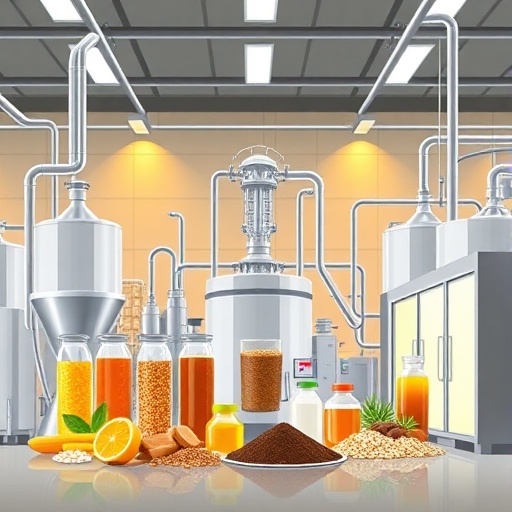
The Role of Technology in Innovative Beverage Solutions
Technology drives innovative beverage solutions through automation and data analytics in blending operations. Systems equipped with sensors optimize mixing parameters for consistent custom blends. Software platforms track ingredient performance and suggest adjustments in real time. Manufacturers adopt these tools to shorten development cycles for new products. Integration with inventory management improves efficiency in sourcing food ingredients. Technology also enables remote monitoring of production lines for better oversight. Continued advances position companies to respond faster to market opportunities.
Sustainability in Custom Beverage Manufacturing
Sustainability in custom beverage manufacturing focuses on reducing waste and energy use across operations. Producers explore recycled materials for packaging and efficient processes that lower water consumption. Custom blending solutions incorporate upcycled ingredients from juice concentrates to minimize environmental impact. Facilities invest in renewable energy sources to power mixing and filling equipment. These practices appeal to eco-conscious buyers while cutting long-term costs. Manufacturers measure progress through metrics like carbon footprint reduction. Commitment to sustainability strengthens supply chain resilience.
Consumer Preferences Shaping Custom Blends
Consumer preferences shape custom blends by emphasizing health, convenience, and unique tastes. Buyers seek options with clean labels, plant-based elements, and functional benefits. Custom blending solutions adapt by incorporating trending food ingredients that align with wellness goals. Feedback loops from market research guide recipe iterations for broader appeal. Manufacturers monitor social trends to anticipate shifts in demand for specific profiles. This responsiveness keeps offerings relevant in a dynamic marketplace. Understanding preferences fuels ongoing refinement of blending services.